Impact of Art on Mental Health
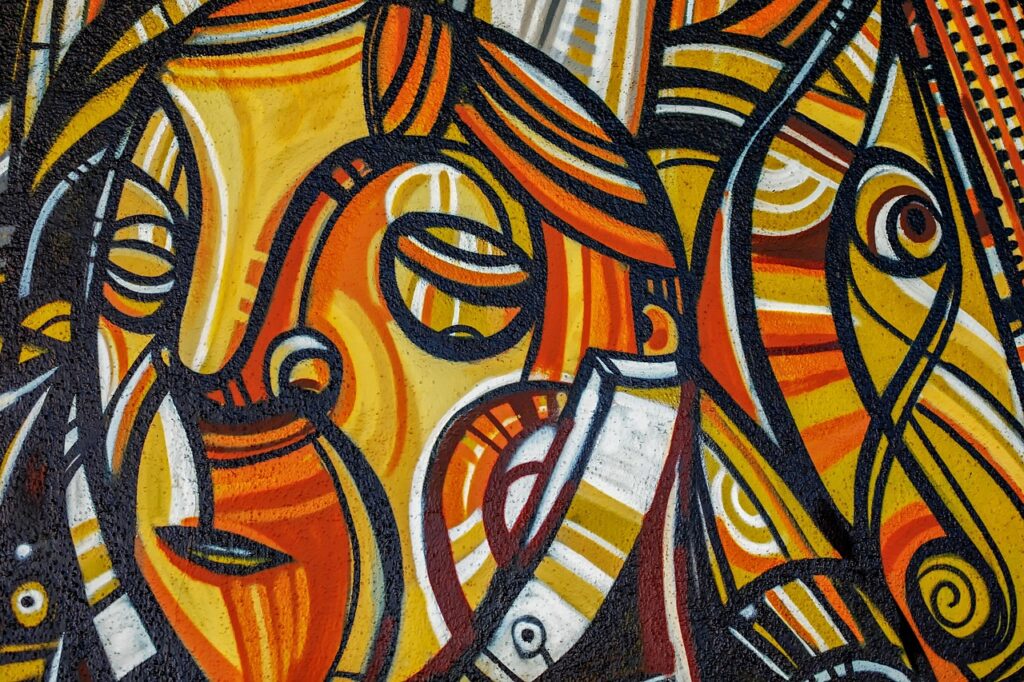
Creativity and artistic expressions have always been connected. From visual arts to music, we see this intersection between art and mental health consistently. Sometimes mental illnesses and conditions can be the source of great artistic expressions, other times the flip is switched and art inclined activities become recovery aids, outlets and coping mechanisms helping people living with significant mental health issues.
In truth, mental health issues have had their impact on the arts in general. In this piece, we will spotlight how art, especially visual art, can positively improve mental health.
Common artistic expressions that impact mental health
Have you ever found yourself doodling when you are anxious? Art forms such as drawing, collage-making, painting, plays, storytelling, music, dancing and more have been used consistently by therapists to help people struggling with their mental health. They have also been employed in hospitals to help patients cope and improve their recovery process.
In a research carried out by Wang, S., Mak, H.W. & Fancourt, D. to find out in simple terms how arts affects the society regardless of your social strata, the researchers came to the conclusion that
“Arts engagement amongst the population as a whole may help enhance positive mental health and life satisfaction, and protect against mental distress.”
“How can art be used to improve mental health?” You may ask
There are two primary ways individuals experiencing mental health challenges can benefit from art in their recovery:
- By making art
- By seeing art
The American Congress of Rehabilitation Medicine says that making or just seeing art can improve a patient’s mental health and impact their brain. The purpose of encouraging individuals experiencing mental health challenges to create art of their own is not to find the next Mona Lisa but to give them an outlet. Thus, the process is much more important than the final pieces created.
Ways art impacts your mental health
Visual and creative art heavily impacts your mental health in several ways, including:
Stress relief
Making or even seeing art can help reduce stress and relax agitated minds. In a study by Girija Kaimal, Kendra Ray & Juan Muniz on the “Reduction of Cortisol Levels and Participants’ Responses Following Art Making,” they found that 45 minutes of making art pieces helped significantly reduce cortisol levels for 75% of the participants in the study. They attributed this to the fact that Art forces the mind to slow down, to focus on the details, and it helps to block out the mind’s distractions.
Mindfulness
Because art can help the mind slow down and take stock of the action they are performing, it helps patients become more mindful about their situation and environment. You can better enjoy the moment and not be distracted by social media or noise while appreciating or creating art in the right environment.
Creates hope
Art can help people see the world from a place of beauty and creativity, thereby providing the possibility of something brighter ahead. This can come from pieces they have created themselves or from well-made artworks of more skilled hands. Hope can be a powerful anchor for people suffering from suicidal thoughts.
Conclusion
Being exposed to art in the right conditions can help improve your mental health. It can be through a hangout, a sip and paint meetup, an art gallery display and more. Exposure to art can be both inspiring and healing, and is definitely an experience to enjoy!
Featured Image by Couleur from Pixabay
Image by Csaba Nagy from Pixabay
ILLUMINATION! ILLUMINATION!! ILLUMINATION!!!
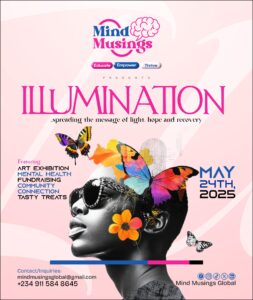
On Saturday, May 24th, 2025, Mind Musings is excited to host its first-ever art exhibition themed “Illumination” in Lagos, Nigeria. This innovative event brings together art, mental health awareness, fundraising, and community impact, featuring incredible artists, stunning artwork for sale, and insightful conversations. Join us for an inspiring experience!
Illumination: https://mindmusingsglobal.com/illumination-2025/
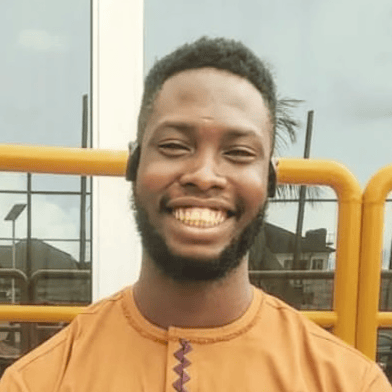
Jesupelumi Akintade
Is a skilled SEO content writer and lawyer with a talent for crafting engaging, authoritative content for SaaS brands and small businesses. Beyond advocating for his clients' rights and developing content strategies, he enjoys anime, fiction, poetry, and exploring church history. Passionate about enhancing the well-being of those around him, A. J. Victor is particularly interested in mental health and its impact on quality of life.